The Gauge Just Climbed. Do This Now
Before we get to causes, save the engine. AAA lists the warning signs as a temperature gauge at or above the three quarter mark, steam from under the hood, and a car that suddenly feels sluggish (AAA, tips for an overheating car). If you see any of those, here is the order.
- Turn the A/C off and the heat on full. It feels wrong in a Hemet summer. It works because the heater pulls hot coolant away from the engine. Firestone and AAA both give this as a short term move.
- Pull over where it is safe and shut the engine off. Do not idle it to "cool down".
- Leave the radiator cap alone. AAA says wait at least 20 minutes before removing a hot cap. Firestone says give it 15 to 30 minutes before you even open the hood (Firestone, what to do when your car overheats, August 11, 2026).
- Never pour cold water on a hot engine. Firestone warns the sudden change can crack parts.
- Once it is fully cool, look at the overflow tank. Low? Top it with the coolant your owner's manual calls for. Then plan the repair, because the coolant went somewhere.
- Do not drive it to the shop if it climbs again. A few miles hot can warp a head. We are mobile, so park it and have the cooling system looked at where it sits.
The 10 Causes in the Order a Mechanic Checks Them
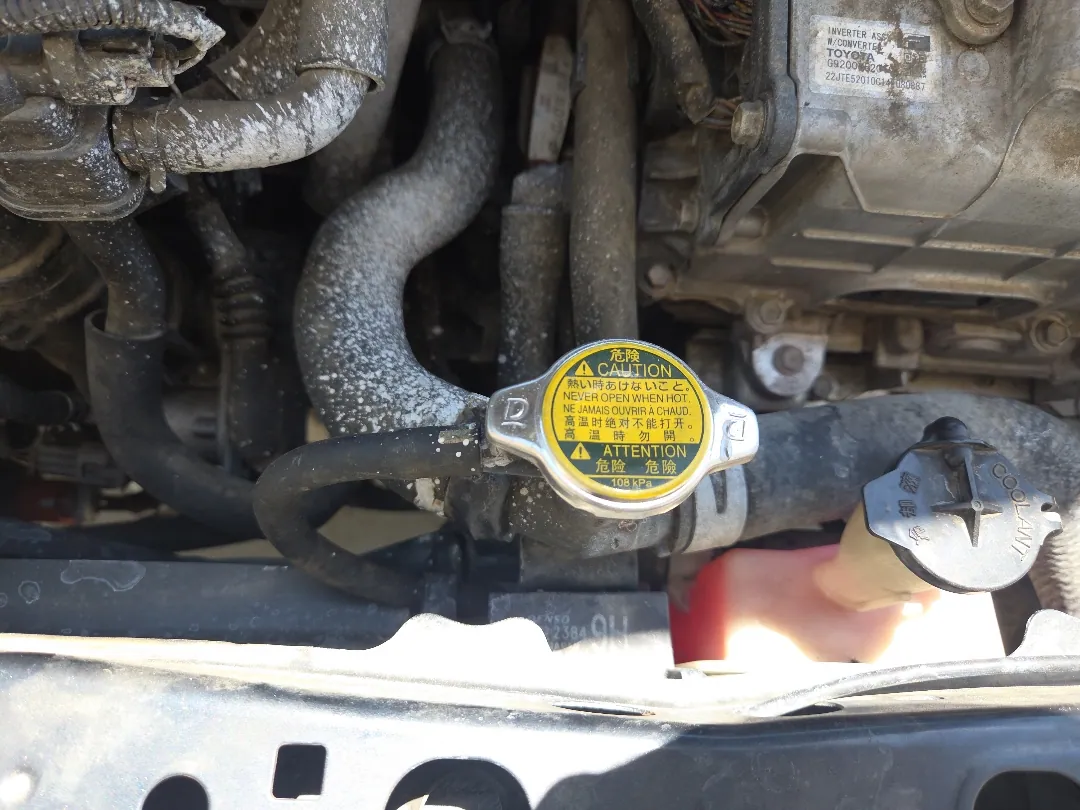
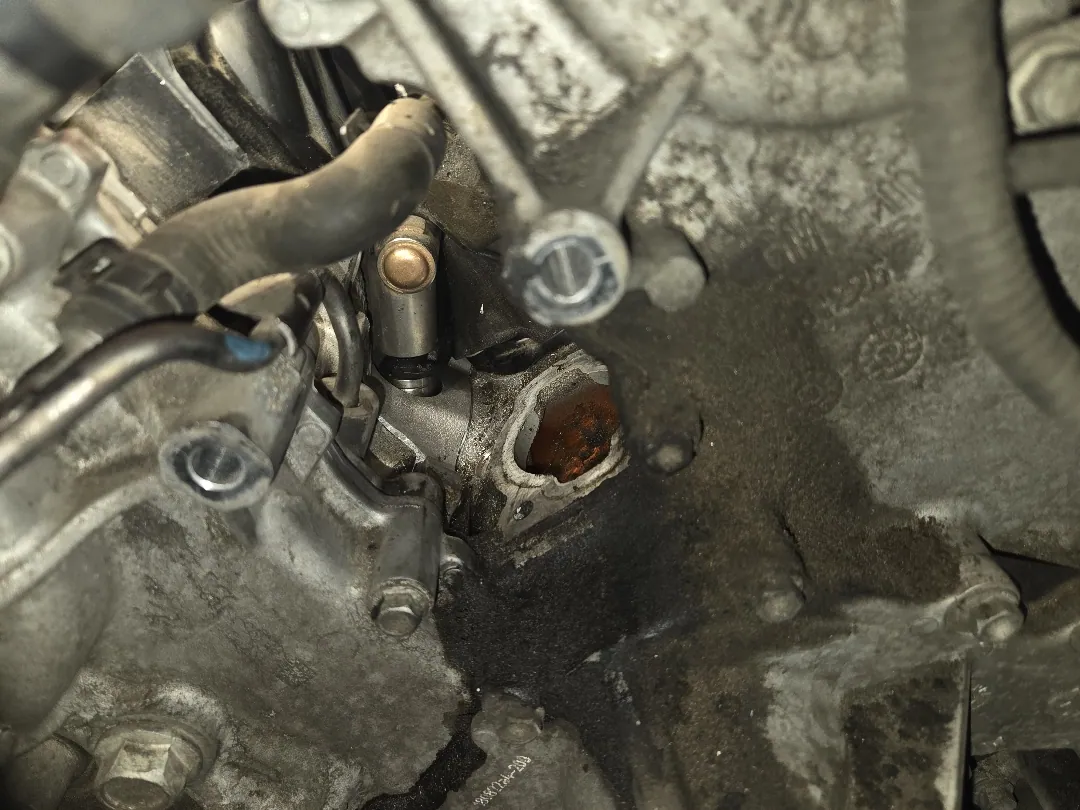
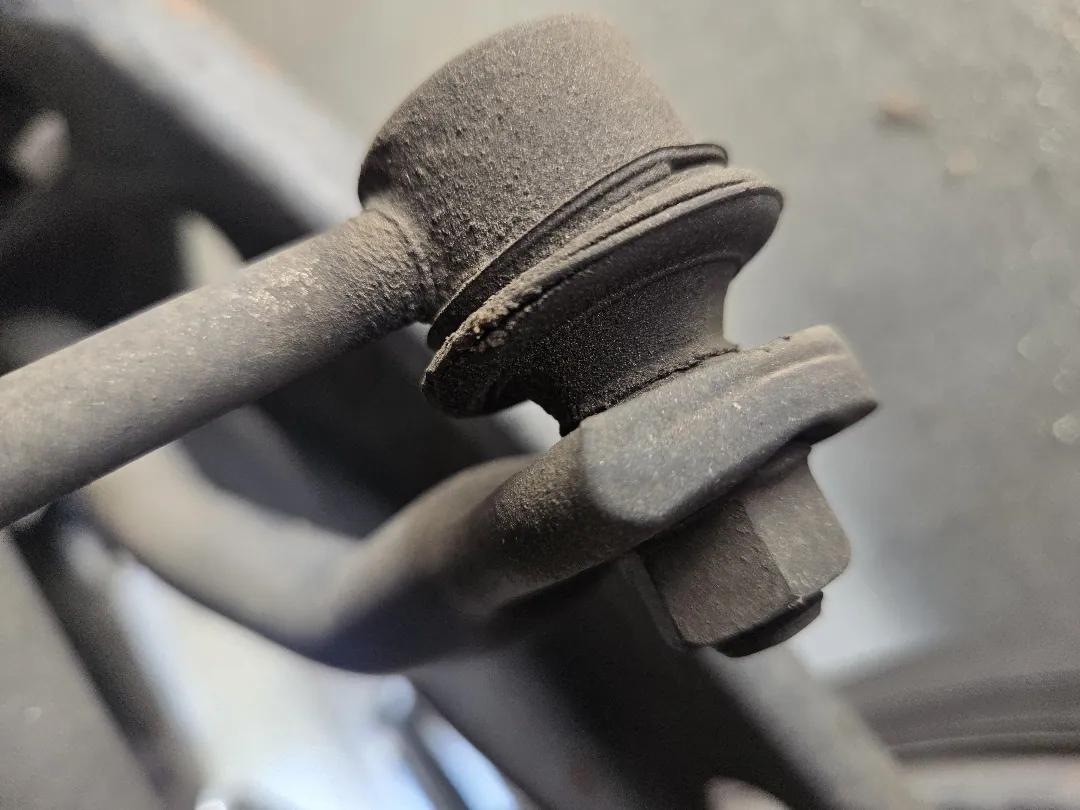
Most lists online put the causes in random order. We do it the way we work a real call. Cheap and quick first, expensive last. On our own overheating calls, like the San Jacinto one pictured below, the cap and filler neck get checked before anything comes apart, because a pressure leak there can look like a much bigger fault.
| # | Cause | The Clue | Size of the Fix |
|---|---|---|---|
| 1 | Low coolant from a leak | Low tank, drips, sweet smell after parking | Small to medium. Depends on where it leaks |
| 2 | Weak radiator cap | Coolant pushed into the overflow, crusty residue at the neck | Small |
| 3 | Soft, cracked or swollen hose | Wet spots at the clamps, a hose that feels mushy when cool | Small |
| 4 | Thermostat stuck closed | Runs hot fast, soon after startup | Small to medium |
| 5 | Cooling fan, relay or fuse | Hot in traffic, fine on the freeway | Small to medium |
| 6 | Air pocket after a coolant job | Gauge jumps around, heater blows cold, started after recent work | Small. It needs a proper bleed |
| 7 | Clogged or leaking radiator | Hot on long climbs and the freeway, rusty coolant, bent or packed fins | Medium |
| 8 | Worn or broken belt | Squeal, then sudden heat. On many cars the belt turns the pump | Small, if you stop fast |
| 9 | Failing water pump | Drip from the weep hole, whine or squeal up front | Medium |
| 10 | Head gasket | White exhaust smoke, milky oil, coolant vanishing with no drip | Big |
1. Low coolant. This is the most common one, and it is never the whole story. Coolant does not get used up like gas. If it is low, it leaked out or pushed out. Firestone lists a faulty hose, a worn gasket, a damaged radiator or a cracked block as places it goes.
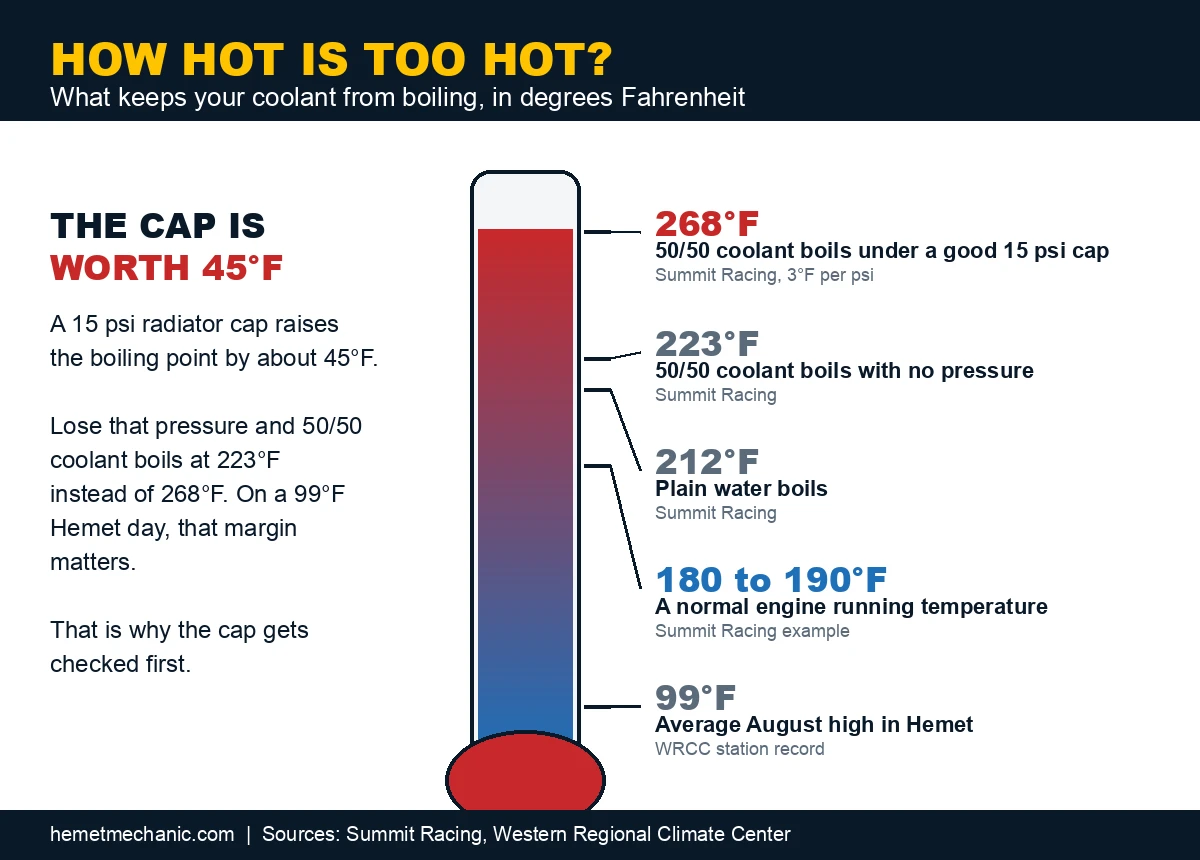
2. The radiator cap. This is the one most top pages skip, and it is cheap. The cap holds pressure, and pressure raises the boiling point. Summit Racing puts it at about 3°F per psi. A 15 psi cap takes 50/50 coolant from boiling at 223°F up to 268°F (Summit Racing, radiator cap pressure). A cap with a tired seal throws a lot of that margin away.
3. Hoses. Squeeze the upper and lower hoses when the engine is cold. Soft, swollen or cracked means it is on borrowed time, whether it has failed yet or not. Hose ends at the clamps are where we find a lot of slow leaks.
4. Thermostat. It is a valve that opens when the engine warms up. Firestone notes one stuck closed tends to cause fast overheating soon after startup. One stuck open does the reverse. The gauge reads low and the heater blows cool.
5. Cooling fan. At freeway speed, air pours through the radiator on its own. In traffic, the fan has to do that job. So a car that runs hot sitting on Florida Avenue and cools off once it moves is pointing right at the fan, its relay or its fuse.
6. Air pocket. If the trouble started right after a coolant flush, a hose or a pump job, trapped air is a strong suspect. Many engines need a specific bleed process. Air at the temperature sensor also makes the gauge read strange.
7. Radiator. Firestone lists puddles under the front, rusty coolant and damaged or blocked fins as signs. Old coolant that was never changed is a big part of this. Our cooling page puts coolant service at every 30,000 to 50,000 miles for most cars in this heat.
8. Belt. On many engines a belt drives the water pump. Firestone notes a broken belt can stop the pump from working at all. If you hear a squeal and then the gauge shoots up, stop.
9. Water pump. The pump has a small weep hole that drips when the inside seal starts to fail. That drip is your early warning. Firestone adds a high pitched squeal up front as another sign.
10. Head gasket. This is usually the result, not the cause. Firestone lists white exhaust smoke, milky looking oil and fast coolant loss as the signs. It is the bill you are trying to avoid by stopping early.
When Does It Run Hot? That Is Your Best Clue
Tell your mechanic when it happens. It cuts the diagnosis down fast.
| When It Overheats | Look Here First |
|---|---|
| In traffic or at idle, fine once moving | Cooling fan, fan relay, fuse |
| On the freeway or a long climb | Clogged radiator, weak water pump, low coolant |
| Within minutes of a cold start | Thermostat stuck closed, very low coolant |
| Only with the A/C running | Fan not keeping up, debris packed between the A/C condenser and radiator |
| Gauge swings up and down | Low coolant or an air pocket |
| Coolant keeps vanishing, no puddle | Head gasket. Check the oil and the exhaust smoke |
Why the Hemet Heat Finds Every Weak Part
Hemet summers are not gentle. The Western Regional Climate Center's long record for the Hemet weather station shows an average daily high of about 98°F in July and 99°F in August, and close to 95°F in September (WRCC, Hemet monthly average maximum temperature).
The air your radiator breathes is already that hot. Then add stop and go traffic, the A/C running all day and the climb up the 74 toward Idyllwild. A system with a tired cap or old coolant may get through a mild day. It runs out of margin on a 99°F afternoon.
What the Top Pages Get Wrong
We read the pages that rank for this question on October 15, 2026. The top one, from Firestone, is long and good on safety. But it promises five causes, lists seven, and numbers two of them as five. The radiator cap and the cooling fan barely come up. Oil Changers gives ten causes with signs for each, but no prices and no order to check them in. Neither page tells you which part to rule out first.
That matters because the order is the money. The cheap parts go first because they are quick to rule out, and plenty of overheating problems end right there. The expensive ones are the cars that were driven hot after the warning. Firestone makes the same point. A car that seems fine after a coolant top off still has the problem that let the coolant out.
What It Costs to Fix an Overheating Car With Us
Here is how it works at Hemet Mobile Mechanic, as posted on our site on October 15, 2026.
- We diagnose first. Our mechanic and diagnostic rate is $150 an hour, on our price list. You get the cause and the price before any part is ordered.
- Pumps, radiators and thermostats are quoted per vehicle once the failing part is found. Call with your make and model for a straight number.
- We come to the car. Seven days a week, 9am to 8pm, with emergency overnight repairs when you are really stuck.
- 3 year warranty on parts and labor on the repair, and we clean up coolant spills as we work.
If the overheating already hurt the engine, that is a different job. Our diagnostics check tells you where you stand, and our guide to the most expensive car repairs shows why stopping early pays.
Car Overheating FAQ
How do you fix a car that overheats?
Find the cause first, then fix that part. Most overheating comes from a leak, a weak radiator cap, a stuck thermostat, a dead cooling fan, a failing water pump or a clogged radiator. Adding coolant gets you off the road but does not fix the leak that drained it.
What are 10 common causes of overheating?
Low coolant from a leak, a weak radiator cap, bad hoses, a thermostat stuck closed, a failed cooling fan or relay, an air pocket after coolant work, a clogged radiator, a broken belt, a failing water pump and a blown head gasket.
Can I still drive my car if it overheats?
No. Pull over and shut it off. Driving hot can warp the cylinder head and blow the head gasket, which turns a small repair into engine work. Wait at least 20 minutes before opening the radiator cap, as AAA advises.
Will low oil cause overheating?
It can. Oil cuts friction and carries heat away from engine parts. Firestone lists low engine oil as a cause of overheating, so check the oil level along with the coolant.
Why does my car overheat only in traffic?
At speed, air flows through the radiator on its own. In traffic the cooling fan has to move that air. A car that runs hot at idle and cools off once moving usually has a fan, fan relay or fuse problem.
Is my engine ruined if it overheats?
Not always. If you shut it off quickly, the damage is often limited to the part that failed. Signs of deeper damage are white exhaust smoke, milky oil and coolant that disappears with no leak. Get it checked before you drive it again.
Sources
- Firestone Complete Auto Care, what to do and not do when your car overheats, August 11, 2026, opened October 15, 2026
- AAA Oregon/Idaho, tips for an overheating car, opened October 15, 2026
- Summit Racing, radiator cap pressure and coolant boiling points, opened October 15, 2026
- Western Regional Climate Center, Hemet station monthly average maximum temperature, opened October 15, 2026
- Oil Changers, 10 common reasons for your car overheating, December 22, 2024, opened October 15, 2026
- Hemet Mobile Mechanic price list and cooling system page, our own posted rates and job photos as of October 15, 2026
Hemet Mobile Mechanic fixes cars in driveways across Hemet and the San Jacinto Valley. Temp gauge climbing? Park it and call (951) 474-1277. We come to the car.