Why Hemet Finds Out in November
Hemet's average July high is 95.6 F. The average December low is 43.1 F, and the record low for November is 23 F. Those are NOAA normals for 1991 to 2020 (Hemet climate table).
So the heater sits idle from spring to fall. Nobody asks it for real heat until the first cold morning.
That's when a weak part shows itself. A car that ran hot or lost coolant over the summer can show up as a car with no heat now. The heater runs on the same hot coolant the engine does. If the summer was rough on your cooling system, start with why a car overheats, because those causes overlap.
How Car Heat Works in Four Lines
- The engine heats the coolant.
- Some of that hot coolant passes through the heater core, a small radiator inside the dashboard (RepairPal).
- A blower fan pushes cabin air across the core.
- A blend door mixes hot and cold air to the temperature you set.
That gives you two halves to sort out. The coolant side makes the heat. The air side moves it. If air comes out of the vents, the air side is mostly fine and the problem is heat. If no air comes out at all, the problem is the fan, its fuse or its wiring.
Five Checks Before You Pay Anyone
None of these need tools. Do them in this order.
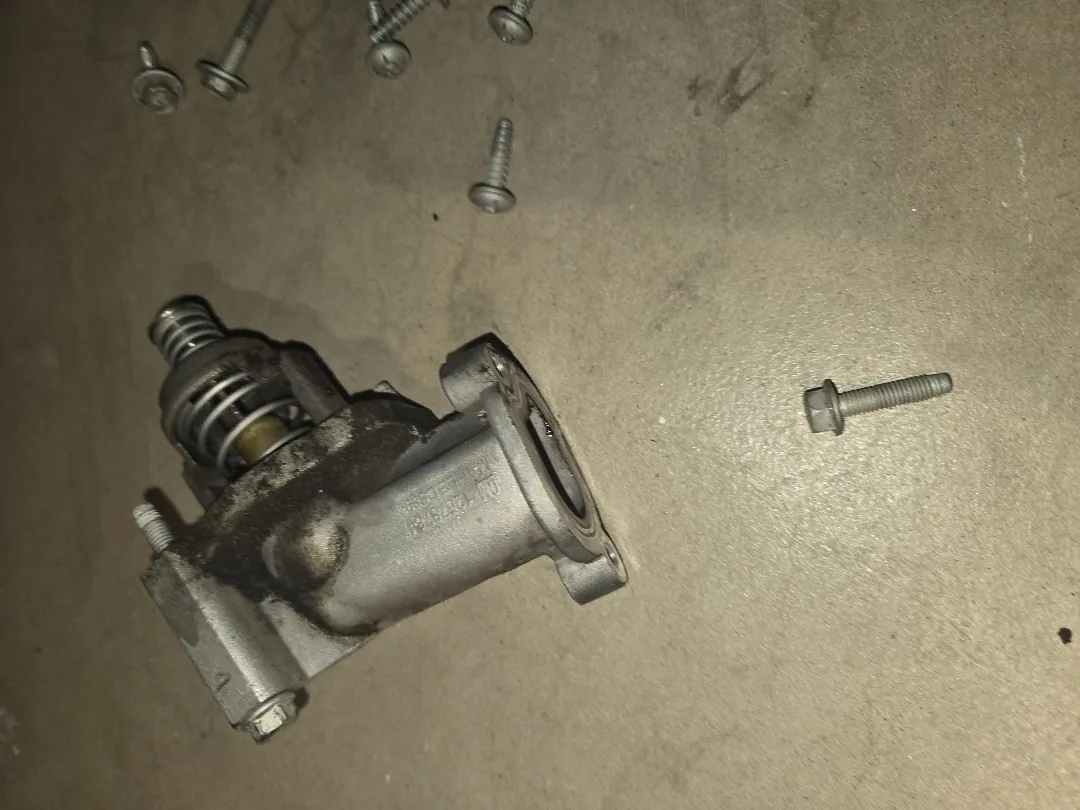
- Watch the temp gauge. Drive 15 minutes and look. If the needle barely leaves the cold end, Haynes points at a thermostat stuck open, which lets coolant circulate all the time so the engine takes longer to warm up (Haynes). If the needle climbs high instead, pull over. That's an overheating problem first and a heater problem second.
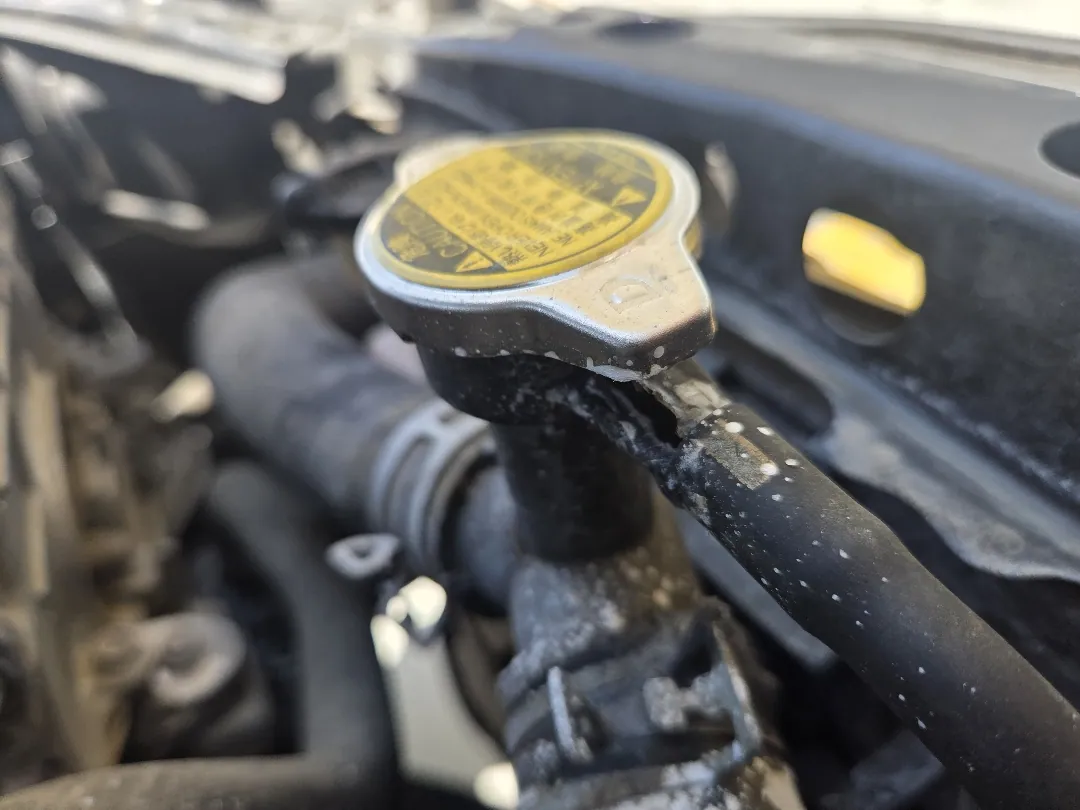
- Check the coolant cold. Haynes says the coolant level is the first thing to check. Give the engine 15 to 20 minutes to cool before you open anything, per The Drive. A low reservoir means the coolant went somewhere, and a leak has to be found, not just topped off.
- Try every fan speed. If the fan only runs on high, the blower motor resistor is the usual suspect. High speed skips the resistor and sends full power to the motor, per Cars.com. No air on any speed points at a blown fuse, wiring or the blower motor itself (RepairPal).
- Compare idle and driving. Heat that fades at a stoplight and comes back on the road fits low coolant or an air pocket. Haynes says air trapped after a leak or a drain and refill can block circulation.
- Turn the knob slowly. The engine is warm, the fan blows, but the air never changes temperature from cold to hot. That points at a heater control valve that won't open, a stuck blend door or a blocked heater core, all three named by Haynes.
Symptom, Cause and Cost
Match what you noticed to the row. Costs are RepairPal's national average ranges for parts and labor, last updated September 3, 2026. They leave out tax and local pricing.
| What You Notice | Most Likely Cause | National Average Cost |
|---|---|---|
| Fan only works on high | Blower motor resistor | $140 to $198 |
| No air on any speed, fuse is good | Blower motor | $383 to $435 |
| Air blows, never gets warm, gauge normal | Heater control valve stuck closed | $605 to $681 |
| Gauge stays near cold, heat is weak | Thermostat stuck open | $616 to $716 |
| Coolant keeps dropping, drip at the front of the engine | Water pump | $891 to $1,135 |
| Coolant full, thermostat good, still no heat | Blocked heater core | $1,375 to $1,912 |
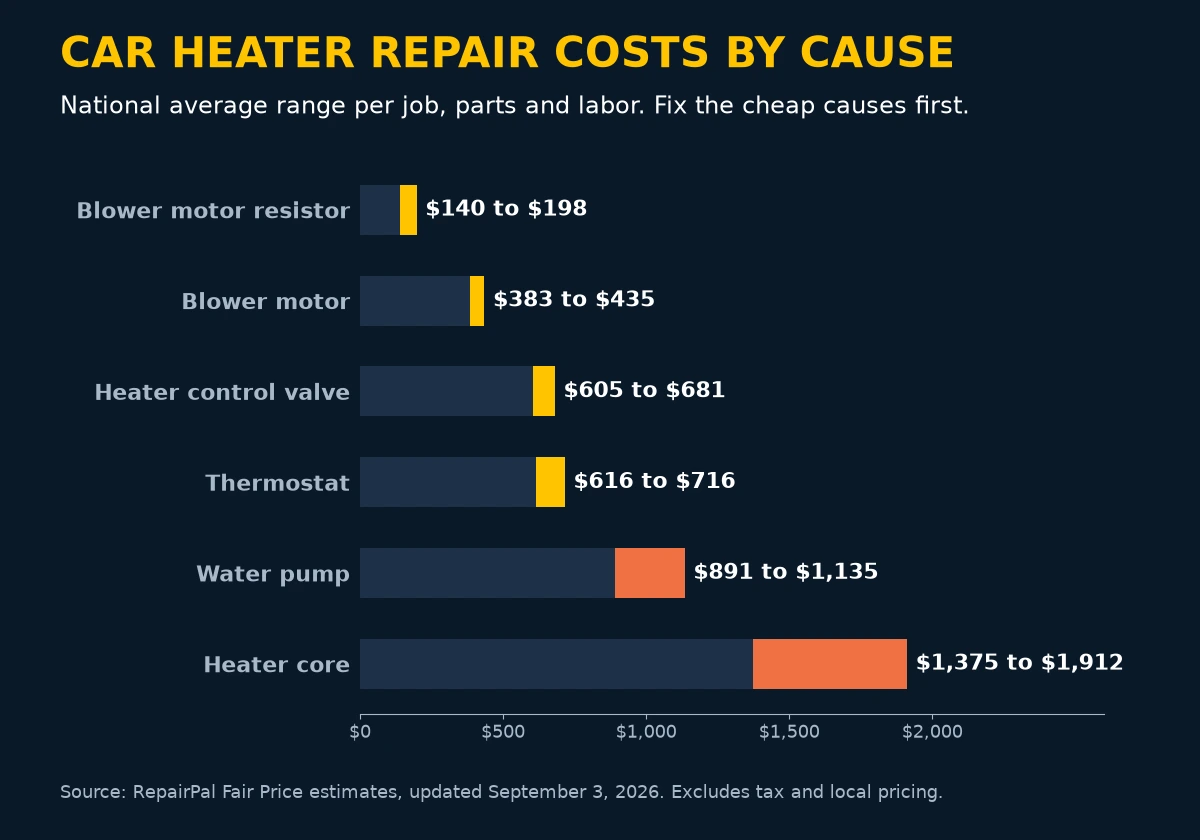
Two rows need a word. Low coolant isn't on the list because the fix depends on where it went. A loose clamp is cheap. A head gasket isn't. And an air pocket often clears once the system is filled and bled the right way. Haynes says to fill it with the heater on max and the engine running.
The thermostat range may look high for a small part. RepairPal puts parts at $421 to $429 and labor at $195 to $286 for that job. Prices swing a lot by engine, so ask for a quote on your car.
Why a Heater Core Costs So Much
The part isn't the problem. The location is.
RepairPal says the heater core is buried deep behind the dash, and that getting to it means taking apart several other in-dash systems first (RepairPal). Its estimate puts labor at $886 to $1,300 and parts at only $489 to $612.
So on this job, the labor rate decides the bill. Ask for it up front. Few shops post one. Only 207 of 18,181 independent shop websites reviewed by Data for Trades state an hourly labor rate (Data for Trades). Hemet Mechanic posts its mechanic and diagnostic rate, $150 an hour, on the prices page.
Before you agree to a core, make sure the cheaper causes were ruled out. Full coolant, a thermostat that opens, a valve that opens and a blend door that moves. A core is the last stop, not the first.
No Heat Means Weak Defrost
Federal safety standard 103 says every passenger car, truck and bus must have a windshield defrosting and defogging system (49 CFR 571.103). On most cars that system is your heater and your A/C working as a team.
Mazda's owner's manual is a clear example. In the defrost positions, the air conditioner turns on by itself and the system switches to outside air. Mazda says to set the temperature to warm or hot, because defrost on cold can fog the outside of the glass (Mazda CX-5 manual).
So a car with no heat and a dead A/C is a car that can't clear a fogged windshield. If you drive for hire, California makes it a legal issue too. Vehicle Code 26712 says every passenger vehicle used to carry people for hire must have a defrosting device that can clear snow, ice, frost, fog or internal moisture from the windshield (CVC 26712).
Can you keep driving it? If the temp gauge is normal and the glass stays clear, a dead heater is mostly a comfort problem. If the gauge climbs, the coolant keeps dropping or you can't clear the windshield, park it.
Last Few Questions
- How much does it cost to fix car heat?
- It depends on the cause. RepairPal's September 2026 national averages run from $140 to $198 for a blower motor resistor up to $1,375 to $1,912 for a heater core. A thermostat runs $616 to $716.
- Can I drive my car if the heater is not working?
- Usually, if the temperature gauge stays normal and you can keep the windshield clear. If the gauge climbs or the coolant keeps dropping, stop driving, because the same coolant cools the engine.
- Does low coolant affect heaters?
- Yes. The heater runs on hot engine coolant, and Haynes says low coolant can let air into the system and create hot and cold spots. Check the level with the engine cold.
- Why is my car's heat blowing air but not heat?
- Air means the blower works, so the problem is on the coolant side. Low coolant, a thermostat stuck open, a heater control valve stuck closed, a stuck blend door or a blocked heater core are the usual causes.
- Why would a car heater suddenly stop working?
- A sudden stop with no air at all usually means a blown fuse, a wiring fault or a failed blower motor. A sudden loss of heat with air still blowing often follows a coolant leak or air trapped in the system.
- Where is the heater core located?
- Behind the dashboard. RepairPal says reaching it means taking apart several other in-dash systems, which is why labor is most of the cost.
Links We Used
- RepairPal, Blower Motor Resistor Replacement Cost, estimates updated September 3, 2026, accessed November 2026
- RepairPal, Blower Motor Replacement Cost, accessed November 2026
- RepairPal, Heater Control Valve Replacement Cost, accessed November 2026
- RepairPal, Thermostat Replacement Cost, accessed November 2026
- RepairPal, Water Pump Replacement Cost, accessed November 2026
- RepairPal, Heater Core Replacement Cost, accessed November 2026
- RepairPal, Heater Core and Heater Blowing Cold Air, accessed November 2026
- Haynes, Why Is My Car's Heater Not Working and How to Fix It, published January 2024, accessed November 2026
- The Drive, Why Your Car Heater Isn't Working, updated February 2025, accessed November 2026
- Cars.com, Heater Blower Motor Resistor, accessed November 2026
- 49 CFR 571.103, FMVSS 103 Windshield Defrosting and Defogging Systems, accessed November 2026
- Mazda, 2020 CX-5 Owner's Manual, Windshield Defrosting and Defogging, accessed November 2026
- California Vehicle Code 26712, accessed November 2026
- Wikipedia, Hemet, California, climate table from NOAA 1991 to 2020 normals, accessed November 2026
- Data for Trades, Auto Repair Prices Shops Actually Post Online in 2026, accessed November 2026
- Hemet Mobile Mechanic prices page, our posted rates, November 2026
More Like This
- Why Is My Car Overheating? 10 Causes, Cheapest First
- Car Batteries Last About 3 Years in Hemet Heat
- Oil Change Every 5,000 to 10,000 Miles in Hemet, Not 3,000
We work on cooling systems in driveways across Hemet and the San Jacinto Valley, 7 days a week. Thermostats, water pumps, radiators and coolant flushes are on our cooling system page, and a full scan is part of our diagnostics. Call (951) 474-1277 and we'll quote it before we start.